As we explored in our previous analysis of how manual file prep bottlenecks eat digital profits, owning the fastest digital press doesn't guarantee profitability if your upstream processes rely on manual labor. The modern print scalability challenge is rarely found on the production floor; it is almost always hidden within your IT and file handling workflows.
Nowhere is this systemic bottleneck more obvious and more damaging to your margins than in the realm of Variable Data Printing (VDP) and personalization.
Personalization is often called the "Holy Grail" of modern marketing. We know it works: highly targeted packaging, direct mail, and promotional products consistently show significantly higher conversion rates than standard printing. In fact, the Next Generation Inkjet Investment report by NAPCO Research highlights that 82% of buyers use dynamic personalization, driving an impressive 42% increase in response rates. Moreover, 72% of respondents are actively increasing their use of personalized materials to offset rising postal rates and maximize their ROI.
Yet, despite this undeniable demand and proven effectiveness, the same report reveals a massive disconnect between brand desires and their willingness to execute.
Why VDP Costs Are Artificially High
The barriers to personalization remain stubbornly high for print buyers:
- 49% cite cost as the primary obstacle to implementation.
- 38% point to strict budget limitations.
- 30% struggle with measuring the effectiveness of these customized campaigns.
These costs are not an illusion, as they represent a very real barrier for your buyers. However, they absolutely shouldn't be this high. The root cause isn't the cost of the printing process itself; it is the lack of proper IT infrastructure to efficiently intake and process these complex orders.
Many PSPs still treat VDP as a premium, custom design service rather than an automated system process. Because they lack the right tools for data ingestion, they believe that personalizing 1,000 direct mailers requires hours of manual file setup by a prepress engineer. If you are still billing "designer hours" to set up a VDP campaign in 2026, you are not just destroying your client's ROI. You are actively pricing yourself out of the market.
The Labor Trap: Why VDP Fails to Scale
The disconnect happens because "Personalization" is a marketing goal, but fulfilling it requires robust data infrastructure. When a print shop lacks this infrastructure, they fall back on manual labor to bridge the gap.
Let's look at why the traditional VDP workflow is a margin killer:
- The Data Mess: The client submits a "raw," unformatted database in Excel.
- The Manual Setup: A file prep tech or designer manually maps data merge fields using desktop publishing tools.
- The Overflow Chaos: Because data is unpredictable, your operators must manually spot-check records. A name like "Christopher" might break a layout designed for "John," requiring manual font scaling or text box adjustments.
- The Proofing Loop: Endless rounds of PDF proofs are emailed back and forth between the CSR and the client to verify that the data merged correctly.
By the time the file reaches the RIP, the administrative and design costs have skyrocketed. The PSP is forced to either pass this massive setup cost to the client (triggering the 49% who say it's too expensive) or absorb the cost to win the job, effectively killing their own profit margins.
The Solution: Self-Service Infrastructure
The secret to profitable personalization is to stop "doing the design" for the client. To eliminate this unnecessary cost barrier, you must remove manual artwork setup from the equation entirely.
This is an infrastructure challenge. You need to transition from being a "print vendor" who charges for design hours to a "technology partner" who provides the client with the tools to manage their own data seamlessly.
How Customer's Canvas Hub Removes the VDP Cost Barrier
To make VDP a high-speed, high-profit stream, you need an automated file ingestion and rendering engine. We built Customer’s Canvas as an infrastructure layer that turns personalization into a touchless, self-service workflow:
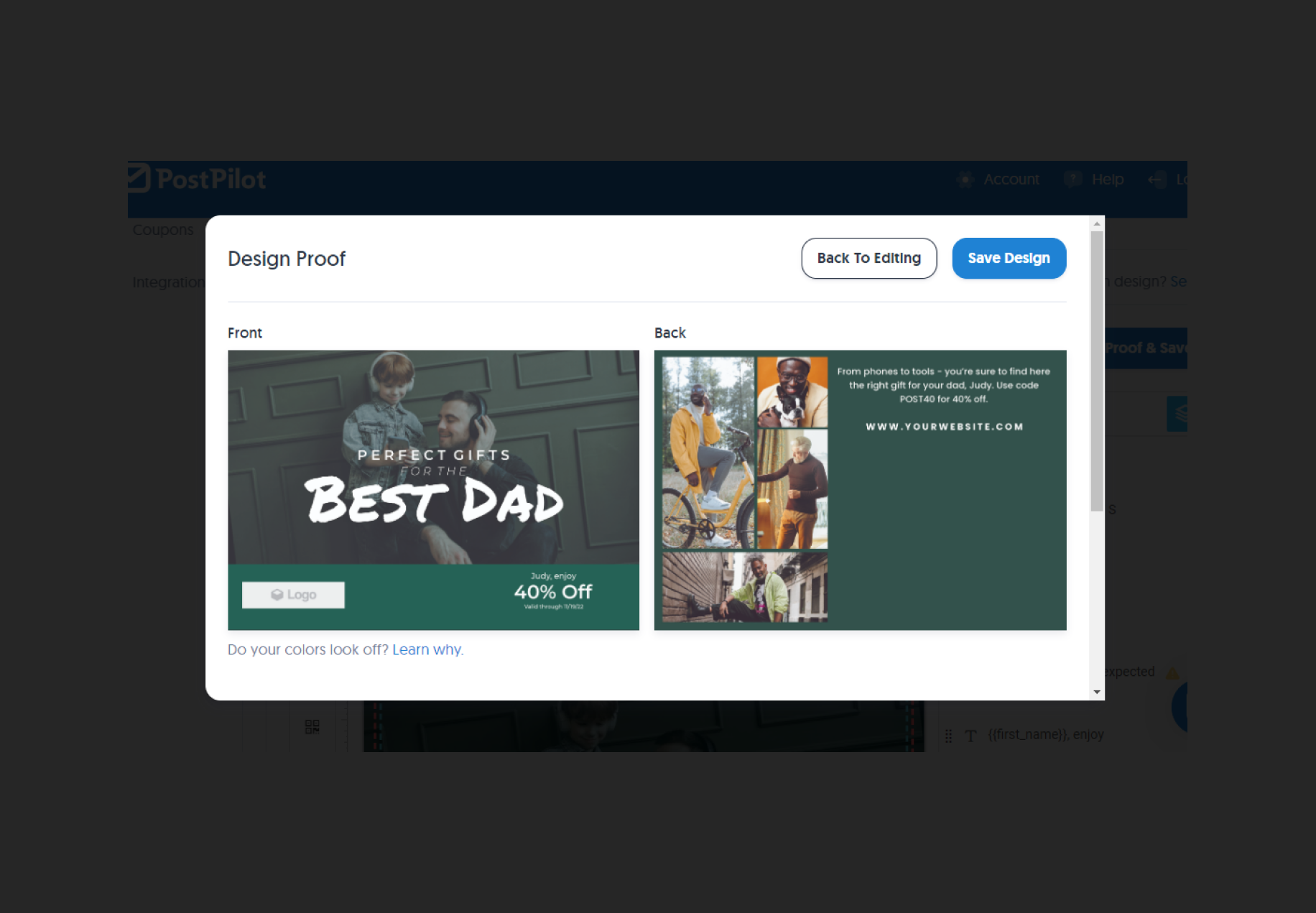
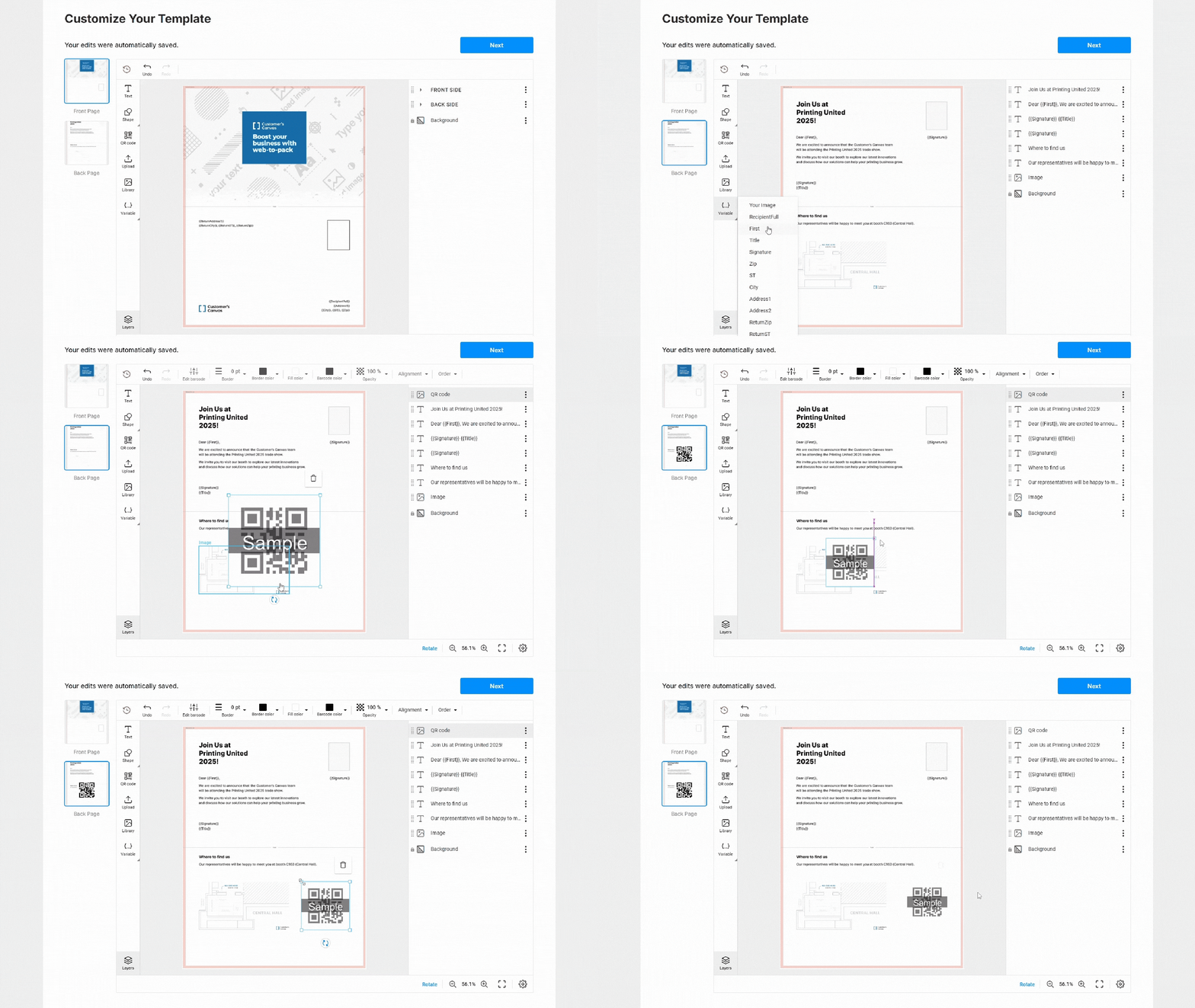
- Self-Service Template Personalization: Instead of your staff swapping names and photos, the client accesses a pre-approved, brand-compliant template directly on your storefront. They input their data, view an instant WYSIWYG proof, and approve it themselves. Because the client does the data entry, your per-order file prep cost drops to zero.
- Smart Bulk VDP Generation: For large campaigns (e.g., 5,000 unique loyalty cards), the client simply uploads their CSV or Excel file into the portal. The Customer's Canvas engine instantly populates the templates and applies smart scaling rules, which automatically adjust font sizes to ensure long text strings never break the layout. It then generates an optimized, print-ready PDF (or PDF/VT) that won't choke your RIP.
- Dynamic Graphics and Barcodes: Personalization extends beyond text. The system can generate unique, scannable QR codes or dynamic imagery for every single record on the fly. This addresses the exact concern shared by 30% of buyers, providing them with a concrete, scannable way to measure engagement and track the ROI of their print campaigns.
.gif)
From "Premium Service" to "Standard Feature"
When you deploy the right infrastructure, the artificially high cost of personalization vanishes. The manual labor is eliminated, allowing you to offer highly targeted, variable runs at a price point that fits the brand's budget, while you maintain a much higher profit margin than you would on static print jobs.
Brands are ready to personalize. According to the data, 76% of print buyers cite the ability to deliver dynamic personalization as a top criterion when selecting a print provider. They are simply waiting for a print partner whose IT infrastructure makes ordering a 5,000-piece VDP campaign as simple and cost-effective as buying a box of static business cards.
Let us show you how to turn VDP from a manual bottleneck into an automated profit driver.
Contact Us